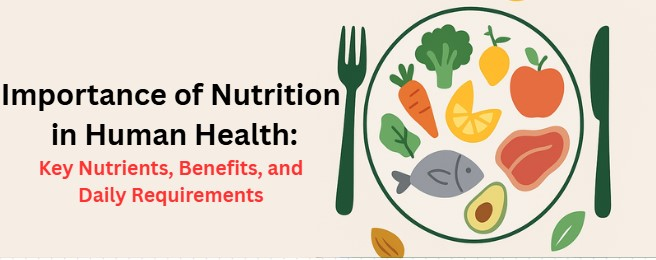
Nutrition plays a fundamental role in human health, growth, and overall well-being. From boosting immunity to supporting brain function and preventing chronic diseases, good nutrition is the foundation of a healthy life. In today's fast-paced world, unhealthy eating habits, processed foods, and nutrient-deficient diets have led to an increase in lifestyle disorders such as obesity, diabetes, heart diseases, and weakened immunity. Understanding the importance of nutrition in human health, the role of key nutrients, and daily requirements can help individuals make informed dietary decisions for long-term health.
Nutrition refers to the process by which our body absorbs nutrients from food to sustain life, support energy production, and maintain bodily functions. A well-balanced diet ensures that the body receives carbohydrates, proteins, fats, vitamins, minerals, and water in adequate amounts. Poor nutrition, on the other hand, can lead to malnutrition, fatigue, poor immunity, and long-term diseases.
Nutrients such as proteins, calcium, vitamin D, and iron are essential for proper growth in children, adolescents, and even adults. They strengthen muscles, bones, tissues, and help in cognitive development.
Vitamins such as C, A, D, E, and minerals like zinc and selenium help the immune system fight infections. A diet rich in fruits, vegetables, and whole grains reduces the risk of illnesses.
Carbohydrates and healthy fats serve as the main sources of energy. They help the body perform daily tasks and support vital organ functions.
Omega-3 fatty acids, iron, iodine, and B-vitamins are essential for memory, focus, and mood regulation. Nutrient deficiencies can lead to brain fog, depression, and cognitive decline.
Healthy nutrition reduces the risk of cardiovascular diseases, diabetes, cancer, high blood pressure, and obesity. Diets rich in fiber, lean proteins, and antioxidants protect organs and maintain healthy metabolism.
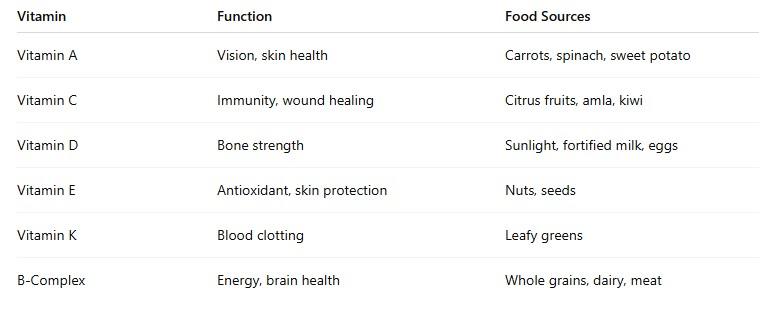
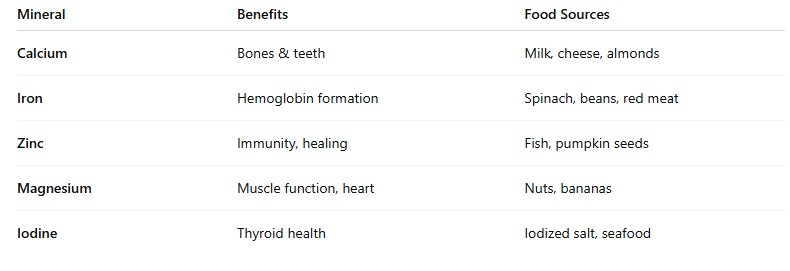
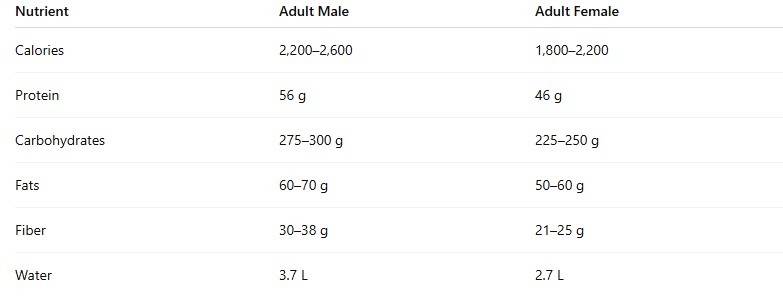
Daily requirements may vary depending on age, activity level, pregnancy, or medical conditions.
A diet rich in vitamins and minerals enhances the body's ability to fight infections.
Balanced nutrition prevents obesity and helps in maintaining a healthy BMI.
Nutrients like omega-3, iron, magnesium, and B12 support emotional stability and reduce anxiety, stress, and depression.
Fiber-rich foods such as vegetables, fruits, and whole grains prevent constipation and improve gut health.
Nutritious diets reduce the risk of diseases and increase life expectancy.
With increasing lifestyle diseases and unhealthy eating habits, the future of human health lies in preventive nutrition. Personalized diet plans, AI-based nutrition apps, plant-based diets, organic foods, and nutraceuticals are gaining popularity.
Nutritional awareness, government dietary guidelines, school nutrition programs, and public health campaigns are essential to creating a healthier generation.
The importance of nutrition in human health cannot be overstated. From energy production and brain development to immunity and disease prevention, nutrition plays a vital role in every stage of life. Consuming the right balance of carbohydrates, proteins, fats, vitamins, minerals, and water ensures physical strength, mental clarity, and long-term wellness. With mindful food choices and a balanced diet, we can build a stronger, healthier future.

 Like| 2

 Comment


The Importance of Health and Wellness In today's fast-paced world, maintaining health and wellness is more important than ever. As lifestyles beco

155 followers

The Plant-Based vs Vegan Diet: Looking into the Key Differences for Good Health In the contemporary era, an increasing number of individuals delib
Taking place in Tokyo, Japan, on May 8 and 9, 2023, is the 15th annual international clinical chemistry conference. The conference is centred around t
All relevant specialists will assemble for the 40th International Conference on Drug Discovery and Drug Delivery System. There will be discussion of t

In today's digital era, mobile applications have transformed countless industries, and healthcare is no exception. As the world becomes increasingly i

1 followers


 Copy Link